
Property Value Enhancements Real Estate Agents Need to Know in 2026
The era of making minimal updates and expecting immediate buyer demand has passed. In 2026, property value is no longer assumed. It must be demonstrated. Buyers are more analytical, appraisers are increasingly conservative, and inspection processes are more rigorous than ever.
This shift favors real estate agents who provide strategic, informed guidance to their clients. Agents who understand which improvements genuinely support market value, and which simply add unnecessary expense, are better positioned to price homes accurately, defend those prices with confidence, and navigate transactions with fewer disruptions.
Energy-Efficient Home Upgrades That Increase Property Value
Energy efficiency has shifted from a value-added feature to a baseline expectation in today’s market. Buyers are increasingly evaluating homes through the lens of ongoing affordability, factoring in monthly utility costs alongside mortgage payments, particularly as insurance premiums and energy expenses continue to rise.
Improvements that consistently support market value include:
- Updated HVAC systems
- Smart thermostats
- Energy-efficient windows
- Enhanced insulation and air sealing
While these upgrades may not always enhance listing photos, they play a critical role in reducing buyer hesitation. More importantly, they strengthen a home’s position during negotiations by reinforcing confidence in long-term ownership costs and overall efficiency.
Kitchen and Bathroom Renovations That Support Resale Value
In 2026, extensive luxury remodels do not automatically translate into higher property value. In some cases, they can work against sellers when the scope or finish level exceeds neighborhood expectations and comparable sales.
Buyers consistently prioritize:
- Clean, functional layouts
- Updated fixtures and hardware
- Neutral, timeless finishes that do not require immediate replacement
- Improved lighting and practical storage
Improvements that often fail to deliver a full return include:
- Ultra–high-end materials in mid-range markets
- Highly personalized or design-forward choices
- Full gut renovations without strong comparable support
An agent’s value lies in helping sellers align renovation decisions with local market realities and price ceilings, rather than design trends or social media influence.
Designing Home Offices and Flex Spaces That Appeal to Today’s Buyers
Remote work has not disappeared, but buyer expectations around it have become more refined. In 2026, purchasers are no longer looking for improvised solutions; they expect spaces that are intentionally designed to support work and daily living.
Today’s buyers prioritize:
- Clearly defined workspaces rather than makeshift setups
- Sound control and a degree of privacy
- Reliable, high-quality internet infrastructure
The value of these areas lies in their flexibility, not simply their size. Spaces that can easily transition between a home office, guest room, or hobby area appeal to a broader range of buyers and help minimize hesitation during showings.
High-ROI Exterior Upgrades That Help Homes Sell Faster
Curb appeal is no longer simply aesthetic; it is a strategic factor in buyer decision-making. In more cautious markets, first impressions strongly influence how receptive buyers are to a home’s interior and how much flexibility they are willing to extend during negotiations.
Exterior improvements that consistently support return on investment include:
- Fresh exterior paint
- Updated or enhanced front entry doors
- Improved landscaping and proper drainage
- Clearly defined outdoor living spaces
Covered patios and functional outdoor areas are particularly valuable in 2026, not as luxury additions, but as practical extensions of everyday living space. Agents who encourage sellers to invest in exterior improvements often see shorter time on market and reduced pricing pressure as a result.
Smart Home Features Buyers Actually Value in 2026
Smart home technology does not need to be elaborate to add value. In 2026, buyers are focused on functionality and reliability rather than novelty or excessive automation.
Features that tend to support market value include:
- Smart locks and integrated security systems
- Leak detection and automatic water shutoff technology
- User-friendly systems built on widely supported platforms
Agents should advise caution with:
- Overly complex or difficult-to-manage systems
- Proprietary technology that buyers may not understand or trust
- Features that require extensive instruction to operate
When positioned correctly, smart home features should be framed as risk-mitigation and convenience enhancements, not as flashy upgrades that complicate ownership.
Maintenance and Preventive Repairs Help Preserve Property Value
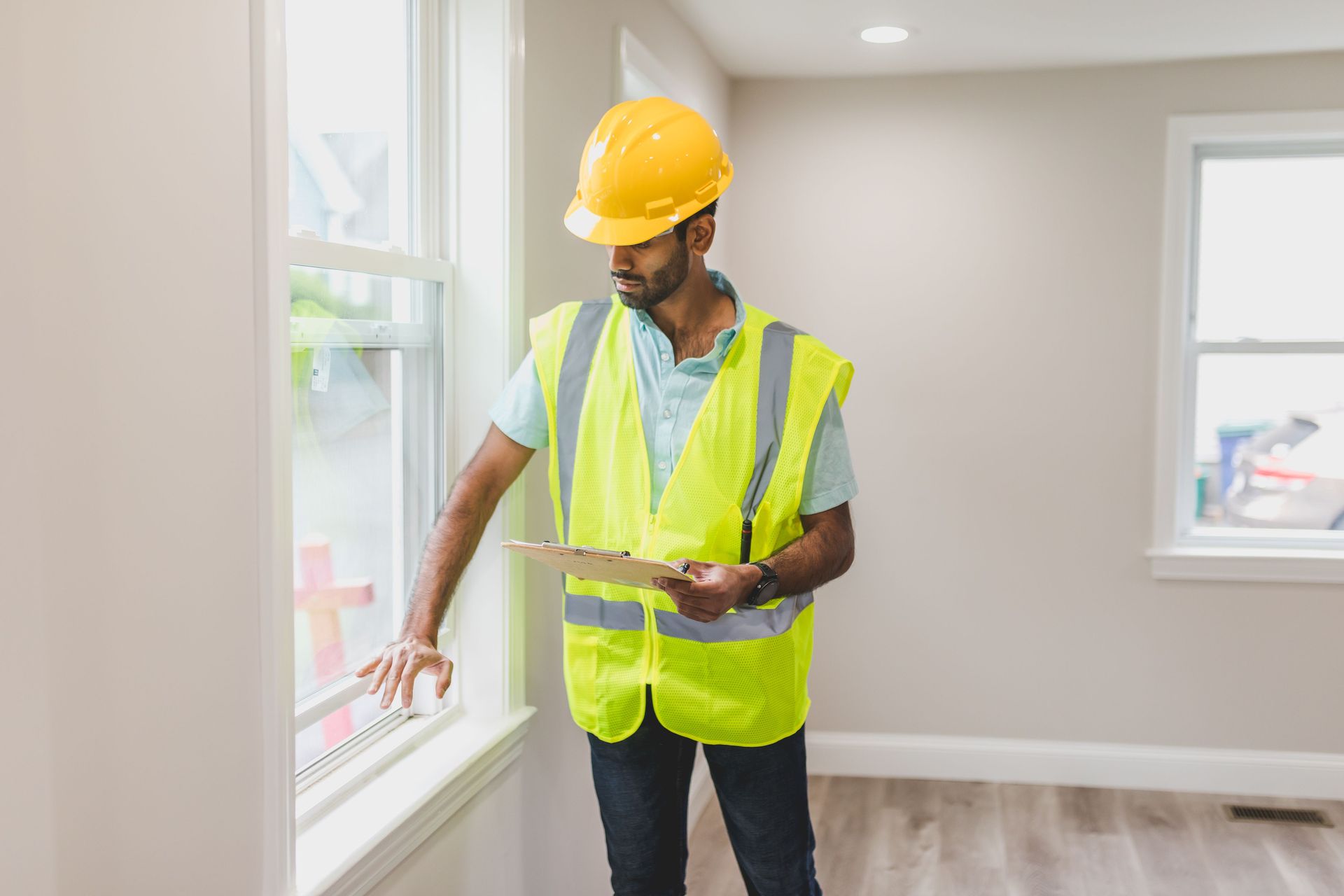
Maintenance-focused improvements are often overlooked by sellers, but they play a critical role in protecting a transaction. Real estate agents should ensure these items are addressed early, as they frequently determine the outcome of inspections and negotiations.
High-impact improvements that help reduce renegotiation risk include:
- Roof repairs or replacement
- Electrical system updates
- Plumbing improvements
- Drainage corrections and foundation work
While these upgrades may not generate visible excitement, buyers quickly recognize their absence. Addressing them in advance limits buyer leverage during inspections and helps keep negotiations focused and manageable.Top of Form
Today’s buyers are looking for homes that reflect smart investment, proper maintenance, and long-term affordability. Real estate agents who understand these evolving value drivers are better equipped to guide sellers toward smarter investment decisions, position themselves as strategic advisors, and help create smoother, more predictable deals in an increasingly discerning market.