Reducing Your Cash to Close: Tips from Real Estate Agents

Louisiana REALTORS® • November 20, 2025

Your offer has been accepted, your loan is approved, and you’re on your way to owning your new home! The last step before getting the keys is bringing your cash to close on closing day.


This amount includes your down payment and closing costs, which typically range from 2% to 5% of the home’s purchase price. For example, if you’re buying a $300,000 house, you may need an additional $6,000–$15,000 beyond your down payment.


The good news? There are several ways to lower your upfront costs and make homeownership more affordable. A knowledgeable real estate agent can help you explore all your options so you can save money and move into your new home with confidence. Here are some practical ways to reduce your cash to close.


1. Comparison Shop for Services with the Help of Your Agent

When your lender issues your Loan Estimate, look closely at the section labeled “Services You Can Shop For.” This includes things like title insurance, pest inspections, and survey fees.


You’re not required to use the vendors listed on the estimate. You can compare prices from other providers to find better rates. Your real estate agent can help you identify trusted local professionals who provide quality services at fair prices.


2. Let a Skilled Agent Negotiate Seller Concessions

In some cases, you can negotiate for the seller to cover part (or even all) of your closing costs. These are called seller concessions, and they’re a great way to reduce the amount you need to bring to closing.


Every situation is different, and what’s possible depends on your loan type and how competitive the offer needs to be. Your real estate agent can help you explore your options and structure an offer that strengthens your position without pushing you beyond your budget.


3. Explore Lender Credits to Reduce What You Pay at Closing

Some lenders offer what’s called lender credits, which allow you to pay less upfront by agreeing to a slightly higher interest rate on your loan. In return, the lender helps cover part of your closing costs. This can be a smart option if you’re short on cash now and plan to refinance or sell within a few years.


4. Reduce Cash to Close With Down Payment Assistance Programs

There are many down payment assistance and grant programs available through federal, state, and local organizations, especially for first-time homebuyers or those who meet certain income or location requirements.


An experienced real estate professional can point you toward programs that may apply to you and connect you with lenders familiar with these options. Taking advantage of assistance can significantly lower your out-of-pocket costs and make it easier to move forward with your purchase.


5. Save on Prepaid Interest by Closing at the End of the Month

Here’s a simple but effective tip: schedule your home closing near the end of the month. This reduces the amount of prepaid interest you’ll owe, which covers the time between closing and your first mortgage payment.


By shortening that window, you can save a few hundred dollars and every little bit helps when you’re budgeting for a move.


Real Estate Agents Help You Make the Most of Your Homebuying Budget

Buying a home is one of the biggest financial decisions you’ll ever make. By understanding your options and planning ahead, you can reduce your cash to close, minimize stress, and feel confident on closing day.


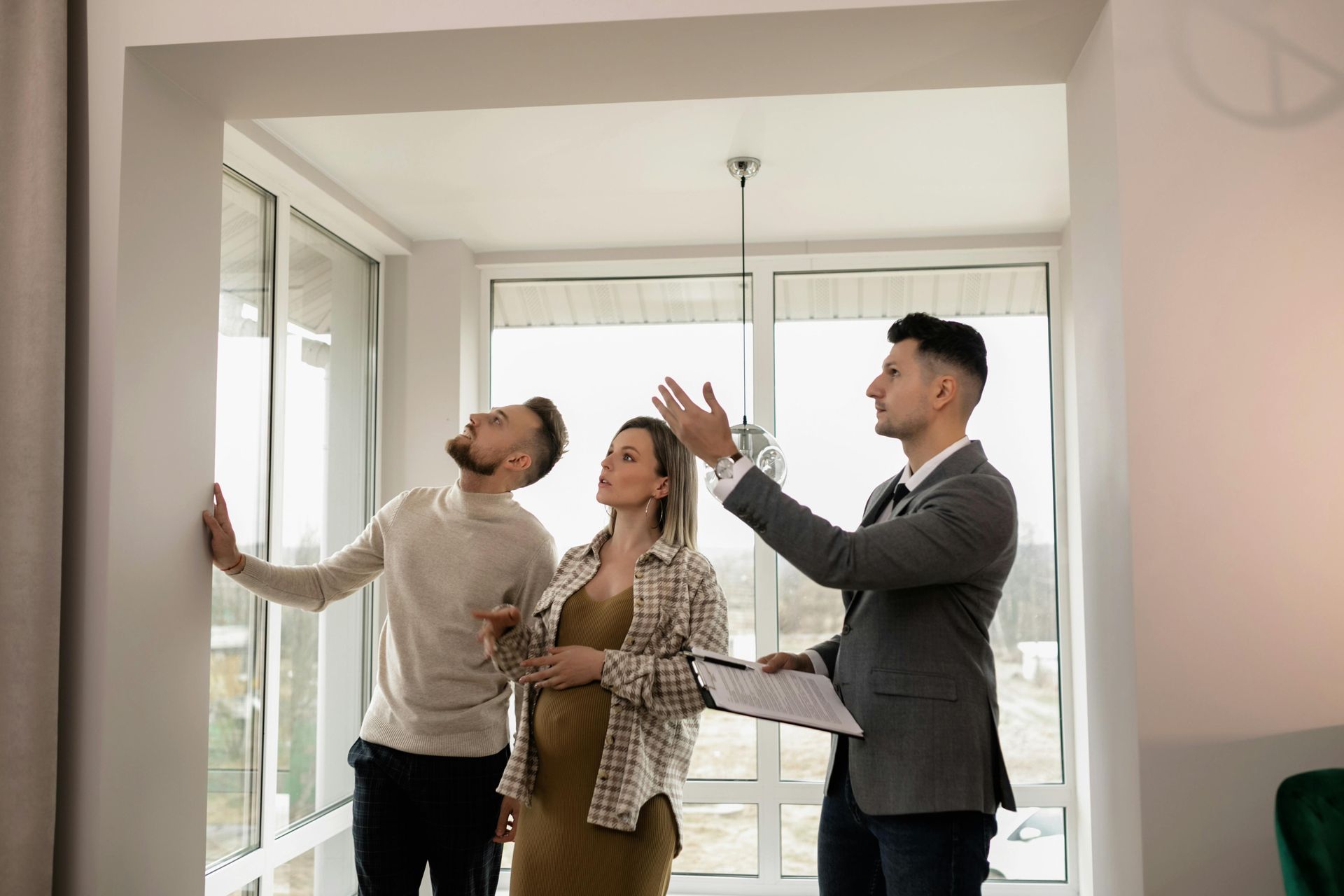
If you’re preparing to buy or just beginning your search, connect with a knowledgeable real estate agent. The right
agent will guide you through each step, introduce you to trusted lenders and service providers, and help you find a home that fits both your lifestyle and your budget.


CONSUMER RESOURCES
By Louisiana REALTORS® April 3, 2026
This week, the Legislature remained in high gear, and several items relevant to Louisiana’s real estate market moved into focus. The biggest headline for our industry this week was HB 468 by Rep. Troy Hebert , our wholesaling/consumer-protection bill, was slated to be heard on the House floor, however was bumped due to floor congestion and out-of-order bills. It is now expected to be reset for next Tuesday. This bill remains one of the clearest “market integrity” efforts on the board with clearer rules for non-traditional transactions, stronger transparency and better consumer protections. We also continued substantive policy work behind the scenes. We are actively engaging with Rep. Carver on a vacant land disclosure bill he has authored, and we appreciate that he is welcoming our input and guidance as the language is refined. Our goal is straightforward: ensure any vacant land disclosure framework is practical, reduces confusion and avoids unintentionally shifting liability or enforcement burdens onto real estate professionals. In addition, we were pleased to deepen our relationships at the Capitol this week. We had the privilege of hosting a lunch for the Governor’s Office, enjoyed meeting Governor Landry’s team, and look forward to working with them in a constructive, solutions-oriented manner as the session continues. Finally, Rep. Hebert also filed an additional measure that aligns with our legislative agenda and speaks directly to transaction risk management: HB 1027 , which would limit liability for licensed real estate appraisers in situations involving smoke and carbon monoxide detector compliance. The current law already provides that real estate agents are not liable for a seller’s failure to comply with Louisiana’s detector requirements in one- or two-family dwellings. HB 1027 would extend that same liability protection to licensed appraisers by amending R.S. 40:1581(F). This is a clean, common-sense clarification that helps prevent appraisers from being pulled into compliance disputes that properly belong with the seller’s statutory obligations. Next week, committees are scheduled to hear multiple bills relevant to real estate, including measures involving construction and roofing standards (often tied to insurance and mitigation), property rights/expropriation, and property tax and adjudicated property issues that can influence housing supply and neighborhood reinvestment. We will stay closely engaged and will flag any bills or amendments that materially affect transactions, homeownership costs or private property rights. Please view the weekly bill tracking report provided by our lobbying team over at Harris, DeVille and Associates.
By Louisiana REALTORS® April 2, 2026
Louisiana REALTORS® is compiling a cookbook of Louisiana flavor with a REALTOR® heart in support of the REALTORS® Relief Foundation . And we have two ways for you to get involved:  Join us in contributing your favorite recipe using this online form. If you want to include a picture with your recipe, send to info@larealtors.org and reference recipe title in email subject. Or share your creativity by designing the cover artwork for the cookbook. A small committee will review all entries and choose one to print on the cover. Stay tuned for more details on when you can grab your own copy of the cookbook! Cover artwork and recipes are due by April 17th.
By Louisiana REALTORS® March 27, 2026
Week three of the Regular Session kept real estate issues in the conversation, even as lawmakers continued to focus heavily on workforce, tax and insurance policy. On the property tax front, measures to reshape assessments and exemptions, including proposals for a new blight rehabilitation exemption and additional relief for seniors, remain parked in the House Ways and Means Committee as stakeholders work through fiscal and local government concerns. These bills matter because they will influence long-term carrying costs, redevelopment incentives and how tax burdens are shared across residential and commercial property. Homestead related legislation, including parish level authority to increase the exemption amount, is also in the queue, signaling that the broader structure of Louisiana’s homestead system is officially on the table, not just the dollar figure. For homeowners and buyers, this debate goes directly to affordability. For local governments, it raises revenue stability and service delivery questions. There also has been movement on several identical pieces of legislation that would instruct parish assessors to develop a process for homeowners to permanently register for the homestead exemption for the duration that they own and live on the property. We are actively tracking legislation that will directly shape how investor activity and non-traditional transactions are recognized and regulated in Louisiana’s real estate market. This includes HB 468 by Troy Hebert , a key component of the Louisiana REALTORS® legislative package that targets the wholesale of residential real estate, which was heard in the House Commerce Committee on Monday. The bill is currently positioned for a floor vote early next week. As drafted, HB 468 represents a major step in the right direction for consumer protection in Louisiana, advancing needed guardrails through potential disclosure, registration, and practice standards that could redefine how assignment contracts and “off-market” transactions intersect with licensed brokerage activity. In parallel, HB 292 by Delisha Boyd passed the House on final reading, 86-3, and is on its way to the Senate. Together, these measures represent a coordinated policy effort to bring greater structure and transparency to emerging transaction models, while preserving the integrity of the traditional brokerage framework. Finally, the broader policy backdrop remains important: the Governor continues to push income tax changes and cost of living relief, while business and industry groups are prioritizing insurance, workforce and energy — each a key driver of long run housing demand and investment. As these debates evolve, we’ll keep you updated on what moves, what stalls and what it all means for your clients, your pipeline and private property rights across Louisiana. Please view the weekly bill tracking report provided by our lobbying team over at Harris, DeVille and Associates.
Show More