
Hold Harmless Agreements
LOUISIANA REALTORS • March 30, 2020
CORONAVIRUS: HOLD HARMLESS AGREEMENTS[1]
By: Patricia B. McMurray, JD and Melissa M. Grand,
JD Baker, Donelson, Bearman, Caldwell & Berkowitz,
PC450 Laurel Street, Chase Tower North,
21st FloorBaton Rouge, Louisiana 70801
Considering the coronavirus pandemic, there are concerns among many REALTORS® about potential liability for bringing people into properties for open houses and showings. Some REALTORS® are asking clients to sign “hold harmless” agreements in advance of property showings. This article addresses some considerations for using these types of agreements.
1. Considering the coronavirus outbreak, should a broker ask a client to sign a “hold harmless” agreement?
Short Answer: Whether a “hold harmless” agreement is enforceable will depend on the facts and specific contract language but is likely a good policy.
In general, an agreement made a party in advance to broadly waive future physical injury damages is unenforceable in Louisiana.[1] A hold harmless agreement to waive future gross negligence or willful misconduct is also unenforceable.[2] However, a hold harmless agreement in which the parties to the contract agree to limit liability may provide some potential liability protections, depending on the facts surrounding the harm or damage caused and the contract language.[3] There are no Louisiana Court cases on point testing the enforceability of this type of an agreement with this type of possible risk such as the coronavirus. It is uncertain therefor whether a hold harmless agreement signed by a broker and a client prior to showing a property will be enforceable if tested in Court. REALTORS should continue to employ necessary caution and good practices in line with the risks associated with the coronavirus.
2. Before allowing individuals into a property I am showing, may I ask them if they are sick or if they have recently traveled? Can I take their temperature? If they refuse, may I deny them entry to the property?
Short Answer: Yes; however, at this time, we strongly encourage you to use virtual means to conduct showings. This is particularly important, if not essential, with respect to any homes owned by individuals who are at higher risk for coronavirus (See, CDC extra precautions).Proper precautions to protect your health, your clients’ health and the property should be taken if you continue to show property or meet with clients. Asking anyone entering the property if they are experiencing coronavirus related symptoms are reasonable questions considering the circumstances. It is also generally a reasonable precaution to take their temperature with a no contact infrared thermometer before allowing entry to the property. To avoid potential fair housing concerns, such questions should be directed to everyone on an equal basis. If they refuse to provide the information or take the requested precautions, you may deny them entry to the property. See National Association of REALTORS® (“NAR”) guidance. See also CDC's guidelines.
Considering the rapid spread of the coronavirus in Louisiana, and the Governor’s Stay at Home Order, it is advisable that open houses and showings be postponed or conducted virtually. See LR's website for additional guidance, There is no way to ensure that the gathering can be limited to 10 people and social distancing requirements can be maintained when the general public is invited to a location for an open house. Additionally, in-person showings put you and your clients in risk of being infected with the virus.
If you decide to go forward with showings, consider implementing additional safety precautions, such as wearing gloves and providing gloves to all visitors, if possible. Hand sanitizer and hand washing stations should be made readily available for use by all. Also, before the showing, discuss with your client how and when the property will be cleaned and disinfected, and who will be responsible for payment of the cleaning services.
3. What are some other questions I should ask a potential buyer or seller before allowing him or her in the property or entering a property?
Short Answer: A sample list of questions you may consider is below.
If you decide to present questions to clients before meeting with them or showing them property, the questions should be directed to all clients to avoid potential fair housing concerns. Additionally, you may wish to present these questions to your employees or independent contractors and have them complete the form as well. Also, continue to monitor the CDC's guidelines for up-to-date information. Some questions you may wish to include are as follows:
1. Have you traveled internationally within the last 14 days?
□ Yes □ No
2. Have you had close contact with or cared for someone diagnosed with COVID-19 within the last 14 days?
□ Yes □ No
3. Have you been in close contact with anyone who has traveled internationally within the last 14 days?
□ Yes □ No
4. Have you experienced any cold or flu-like symptoms in the last 14 days (to include fever, cough, sore throat, respiratory illness, difficulty breathing)?
□ Yes □ No
5. Are you running a fever?
□ Yes □ No Temperature reading result _______
We suggest you maintain a copy of your screening form when completed. Some examples of other businesses’ coronavirus screening questions and policies may be found here: Questions and Policies 1; and Questions and Policies 2.
DISCLAIMER
Information and additional guidance and orders regarding the pandemic are being issued daily. The information is the article was last updated on March 30, 2020 at 11:00 a.m.
These materials are to be used for informational purposes and should not be construed as specific legal advice. These materials are not designed to cover every aspect of a legal situation for every factual circumstance that may arise regarding the subject matter included.
This publication is for reference purposes only and association members or other readers are responsible for contacting their own attorneys or other professional advisors for legal or contract advice. The comments provided herein solely represent the opinions of the authors and is not a guarantee of interpretation of the law or contracts by any court or by the Louisiana Real Estate Commission
[1] Louisiana Civil Code article 2004 states, “any clause is null that, in advance, excludes or limits the liability of one party for causing physical injury to the other party.”
[2] See La. Civ. Code art. 2004 (“Any clause is null that, in advance, excludes or limits the liability of one party for intentional or gross fault that causes damage to the other party.”)
[3] In a hold harmless agreement, parties can agree to allocate risk of potential liability towards third parties. La. Civ. Code art. 2004 comment (e) provides, ”This Article does not govern “indemnity” clauses, “hold harmless” agreements, or other agreements where parties allocate between themselves, the risk of potential liability towards third persons.”

Program Partners
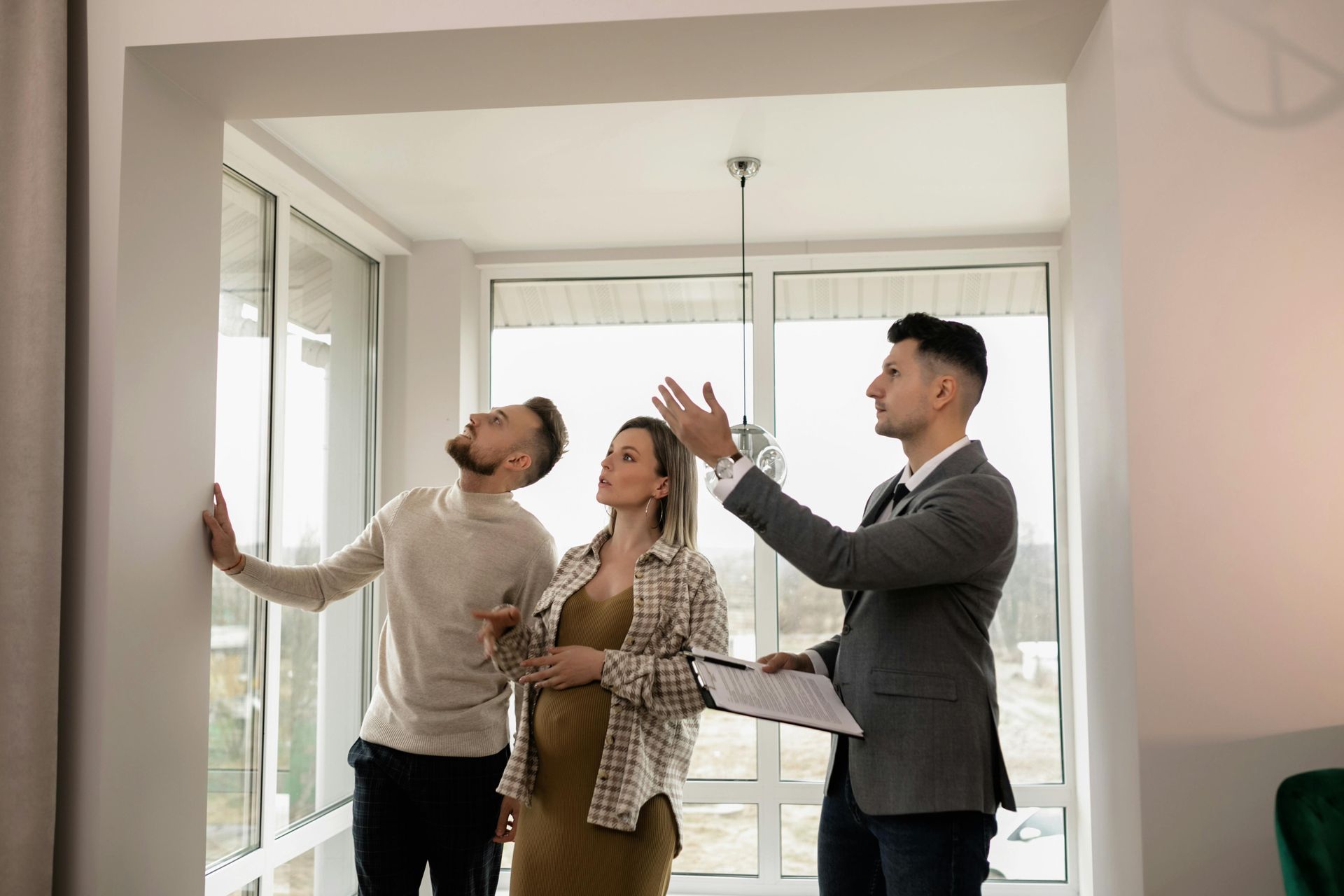
Learn about common risks as a real estate agent and tips to stay safe during home showings.

Take advantage of safety training and other resources provided by your local REALTOR® Association in Louisiana.